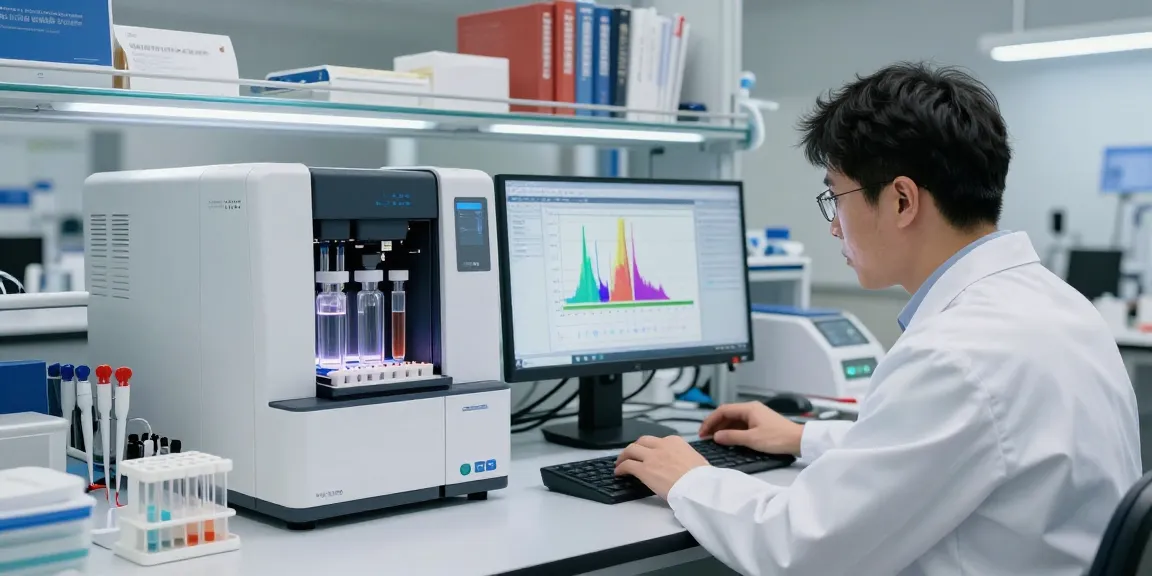
Understanding ≥99% HPLC Peptides: The Science Behind Quality
In the evolving realm of biochemistry and pharmaceuticals, the purity of peptides is of paramount importance. The term “≥99% HPLC peptides” signifies that these peptides have been analyzed and confirmed to possess a purity level of 99% or greater through high-performance liquid chromatography (HPLC). This level of purity is crucial, as it directly influences the efficacy, stability, and overall quality of peptides used in research and therapeutic applications. When exploring options, ≥99% HPLC peptides provide comprehensive insights into achieving high standards in peptide synthesis and application.
What are HPLC Peptides?
HPLC peptides are short chains of amino acids that have been purified to a high degree using high-performance liquid chromatography. This technique allows scientists to separate, identify, and quantify the components of a mixture with precision. Peptides can vary in length and structure, and their functions are diverse, ranging from roles in signaling pathways to therapeutic agents in drug formulations.
The Importance of Purity in Peptide Synthesis
The synthesis of peptides often involves complex chemical processes, and impurities can significantly affect their biological activity. Contaminants may alter the peptide's structure, leading to unpredictable interactions in biological systems. Thus, achieving a purity level of ≥99% is essential, especially for peptides intended for therapeutic applications where safety and efficacy are critical.
How HPLC Works in Peptide Analysis
HPLC is a powerful analytical technique used to separate and analyze peptides based on their chemical properties. When a sample is injected into the HPLC system, it is passed through a column packed with stationary phase material. As the sample moves through the column, different components interact with the stationary phase at varying degrees, leading to their separation. The purified samples can then be collected and characterized, ensuring that only high-purity peptides proceed to further applications.
Benefits of Using ≥99% HPLC Peptides in Research
Enhanced Efficacy in Therapeutics
High-purity peptides are crucial in therapeutic settings due to their enhanced efficacy. For example, peptides used in cancer therapy can have significantly different effects based on their purity. Contaminated peptides may lead to diminished therapeutic outcomes or increase the risk of adverse effects. Therefore, utilizing ≥99% HPLC peptides ensures that researchers and clinicians can rely on the expected biological response, ultimately improving patient outcomes.
Improved Stability and Storage
Another significant advantage of high-purity peptides is their increased stability. Impurities can often catalyze degradation processes, leading to a reduction in the shelf-life of peptides. By employing ≥99% HPLC peptides, researchers can ensure that their materials remain stable over time, facilitating easier storage and handling while reducing the need for frequent repurification.
Applications in Drug Development
The pharmaceutical industry relies heavily on peptides for drug development. High-purity peptides are indispensable in creating effective therapeutic agents, vaccines, and diagnostic tools. For instance, targeted peptide therapies for autoimmune diseases require rigorous testing and validation processes, making the availability of high-purity samples essential for successful outcomes in clinical trials.
Challenges in Achieving ≥99% HPLC Peptides
Common Obstacles in Peptide Synthesis
Despite the advantages of high-purity peptides, there are several challenges in their synthesis. These include complex chemical reactions, potential side reactions, and the difficulty of maintaining purity throughout the synthesis process. Skilled labor and advanced technology are required to ensure that these challenges do not compromise the integrity of the peptides being produced.
Cost Implications of High-Purity Peptides
The production of ≥99% HPLC peptides often involves higher costs due to the need for sophisticated equipment and skilled technicians. As a result, researchers must balance the necessity for high-quality peptides with budget constraints, which can limit access to the best materials for some laboratories, particularly smaller institutions or startups.
Quality Control Methods and Best Practices
Implementing rigorous quality control measures is vital for ensuring the purity of synthesized peptides. Techniques such as mass spectrometry, nuclear magnetic resonance (NMR), and additional rounds of HPLC are employed to confirm purity and identity. Establishing standard operating procedures (SOPs) and regular training sessions can help laboratories maintain best practices in peptide synthesis and analysis.
Future Trends in Peptide Research and Development
Emerging Technologies Enhancing HPLC Techniques
Advancements in chromatography techniques, such as ultrahigh-performance liquid chromatography (UHPLC), are making it easier to achieve higher resolution and faster analysis times for peptide purification. Additionally, automated synthesis platforms are improving efficiency and consistency, allowing for the routine production of high-purity peptides at an unprecedented scale.
Predictions for the Peptide Market in 2026
As the demand for peptide-based therapeutics continues to rise, the peptide market is projected to expand significantly by 2026. Innovations in synthesis methods, formulation strategies, and delivery systems will likely drive this growth. It is anticipated that more companies will emerge that specialize in producing ≥99% HPLC peptides, thus increasing competition and potentially reducing costs for end-users.
Case Studies of Successful Peptide Applications
Real-world applications of high-purity peptides in clinical settings serve as a testament to their efficacy. For instance, the use of insulin analogs, which are peptides synthesized to mimic natural insulin, demonstrates how critical purity is to therapeutic success. Another example includes peptides designed for targeted cancer therapies, where purity affects specificity and reduces off-target effects, thereby enhancing patient safety.
Implementing Strategies for Accessible ≥99% HPLC Peptides
Identifying Reliable Suppliers and Sources
When searching for suppliers of high-purity peptides, researchers should prioritize companies that provide transparent information about their quality control measures and testing results. Certifications and compliance with regulatory standards can serve as indicators of reliability. Furthermore, gaining insight from peer-reviewed literature regarding suppliers' previous performance can provide additional guidance in making informed decisions.
Tips for Optimizing Research Protocols
To maximize the benefits of using ≥99% HPLC peptides, it is essential to design experiments that leverage their purity. This may include adjusting concentration levels, minimizing the use of solvents that could degrade peptide stability, and incorporating control strategies to mitigate variability in experimental outcomes. Tailoring protocols to the specific characteristics of high-purity peptides can yield more reproducible and meaningful results.
Key Performance Indicators for Peptide Quality
Several key performance indicators (KPIs) should be monitored to assess peptide quality effectively. These include purity percentage, yield, functional activity, and stability under various storage conditions. Continuously evaluating these KPIs will allow laboratories to maintain a high standard of peptide synthesis and application, ensuring the continued advancement of peptide research.
What are the best practices for synthesizing ≥99% HPLC peptides?
Best practices for synthesizing high-purity peptides include employing advanced HPLC techniques during purification, adhering to stringent quality control measures, and using high-quality reagents. Additionally, regular training for staff on new methodologies and staying updated with industry standards are key to achieving and maintaining peptide purity.
How do I choose a reliable supplier for high-purity peptides?
Selecting a reliable supplier involves assessing their reputation within the scientific community, reviewing their quality assurance processes, and ensuring they adhere to good manufacturing practices (GMP). Seeking recommendations from colleagues or consulting industry reviews can also be beneficial.
What trends should I watch in the peptide market for 2026?
Important trends to watch in the peptide market include the rise of personalized medicine, advances in peptide-based vaccines, and the emergence of novel delivery systems that enhance bioavailability. These developments could significantly reshape how peptides are used in therapeutic contexts.
Why is peptide purity critical in therapeutic applications?
Peptide purity is essential in therapeutic applications because impurities can lead to inconsistent biological responses, increased toxicity, and immune reactions. High-purity peptides ensure predictable behavior in biological systems, which is vital for their effectiveness as medications.
How can I improve my laboratory's peptide analysis methods?
Improving peptide analysis methods can be achieved by integrating cutting-edge analytical techniques, investing in training for laboratory personnel, and adopting standardized protocols for sample handling and testing. Additionally, collaboration with other research institutions can facilitate knowledge exchange and innovation in peptide analysis.